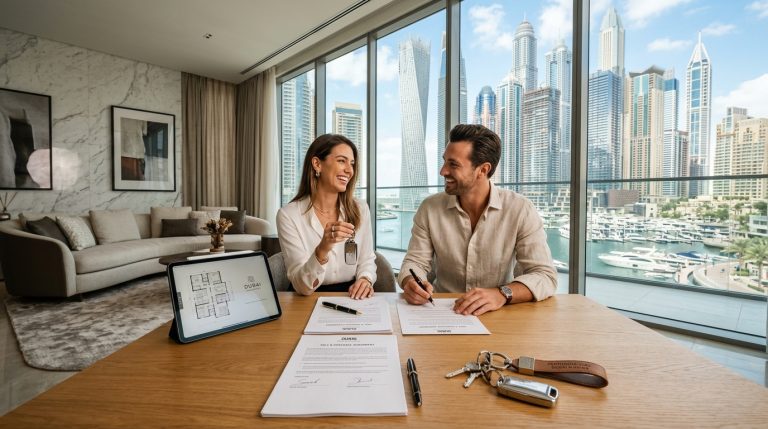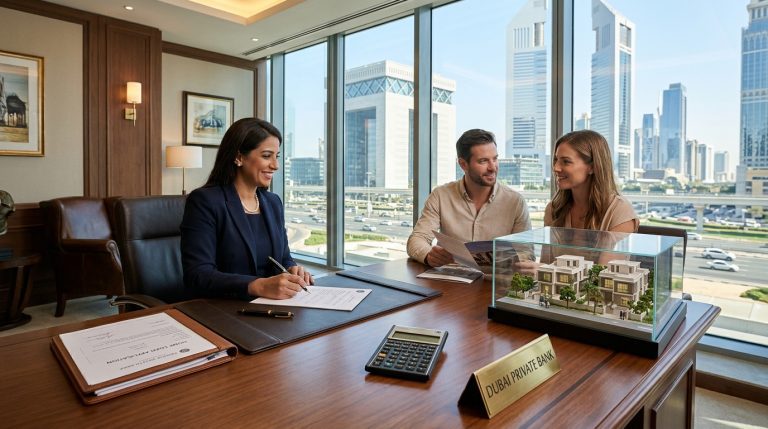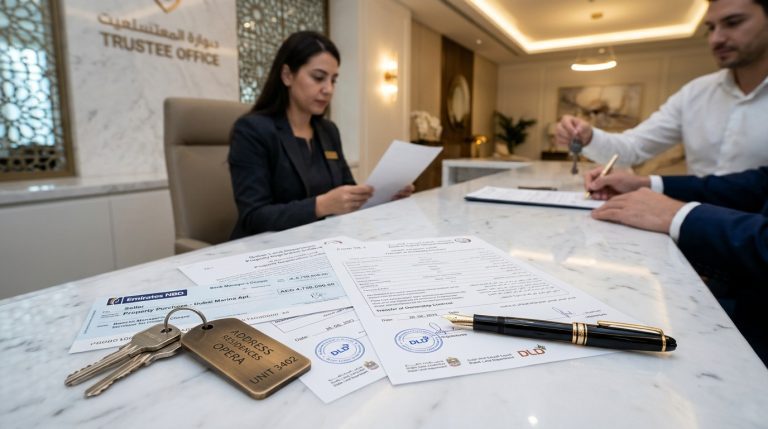
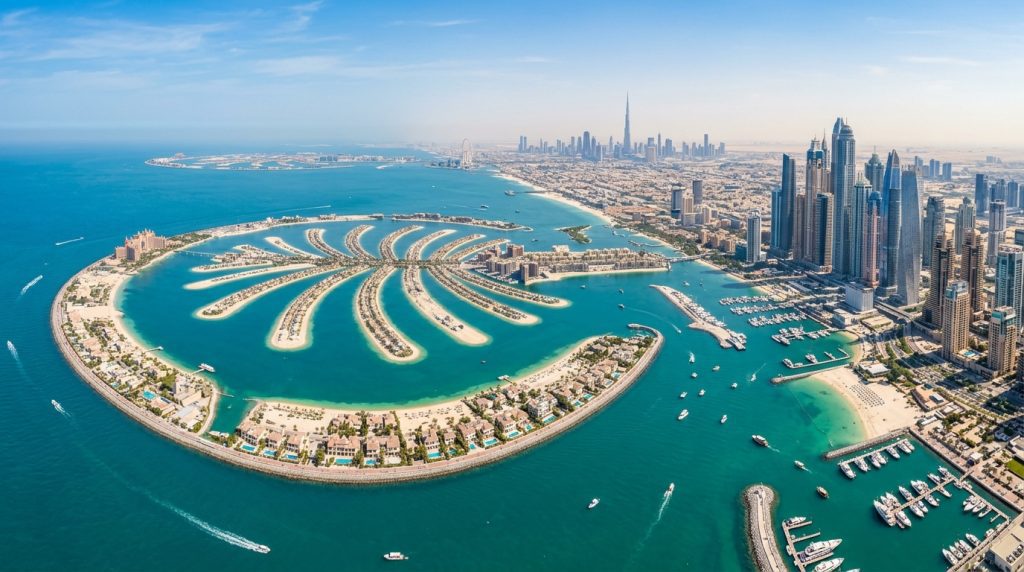
Freehold areas in Dubai are the designated zones where foreigners of any nationality can buy property outright, with full ownership rights over the unit and its share of the land. They include most of the communities international buyers look at: Downtown Dubai, Business Bay, Dubai Marina, Palm Jumeirah, JVC, Dubai Hills Estate, Arabian Ranches, Dubai Creek Harbour and dozens more. Outside these zones, ownership is generally reserved for UAE and GCC nationals, and foreigners can usually only take a leasehold.
Below is the list of freehold areas by property type, what freehold ownership actually gives you, how it compares with leasehold, and how to check that a specific property is freehold before you pay. If you are new to the process, start with our guide to buying property in Dubai.
What Is a Freehold Property in Dubai?
A freehold property in Dubai is one where you own the property and the land it sits on (or your share of it, for an apartment) with no time limit. Freehold ownership means you can live in it, rent it out, sell it, mortgage it, or leave it to your heirs. Ownership of the property is registered with the Dubai Land Department and recorded on your title deed. That is what makes property ownership in Dubai so attractive to foreign buyers: the same rights a local owner has, inside a designated area.
Dubai opened its first freehold zones to foreign buyers in 2002. Dubai Law No. 7 of 2006 on real property registration then gave non-UAE nationals the legal right to own freehold property in areas designated by the Ruler, and a 2006 regulation set out the first official list. The list has grown many times since, as new master communities have launched, and freehold properties in Dubai now make up most of the homes for sale that foreigners see on the portals.
Freehold vs Leasehold in Dubai
Freehold | Leasehold | |
Ownership | Property and land, no time limit | Right to use for a fixed term, up to 99 years |
Who can buy | Any nationality in designated areas | Foreigners in some non-freehold areas |
Land | Owned (or shared, for apartments) | Stays with the freeholder |
Resale and inheritance | Full rights | Limited to the remaining term |
Mortgages | Widely available | Harder to finance |
Visa eligibility | Can support a property visa | Usually not |
For almost every international buyer, freehold properties are the better choice. Leasehold properties are cheaper on paper, but you are buying a shrinking asset: the value falls as the lease runs down, and selling one is harder.
Complete List of Freehold Areas in Dubai
This list covers the main designated freehold zones across Dubai, grouped by type, from popular freehold apartment towers to prestigious freehold villa estates. It is not exhaustive, since new freehold communities are added as projects launch, so always confirm the specific building with the DLD.
Prime and waterfront freehold areas
• Downtown Dubai: the best-known freehold area in Dubai, with apartments around Burj Khalifa, Dubai Mall and the Dubai Fountain. Strong demand for both living and short stays.
• Business Bay: towers along the Dubai Canal, popular with professionals and investors.
• Dubai Marina: one of the first freehold zones, with high-rise apartments on the water and good Dubai Metro and tram links.
• Jumeirah Beach Residence (JBR): beachfront apartments next to the Marina.
• Palm Jumeirah: villas, apartments and penthouse apartments on the island, at the top end of the market.
• Bluewaters Island and Emaar Beachfront: newer waterfront communities with luxury freehold apartments.
• Dubai Creek Harbour: a large mixed-use freehold development on the Creek, close to Ras Al Khor.
• DIFC and City Walk: central apartments near the financial district.
Mid-market apartment communities
• Jumeirah Lake Towers (JLT): towers around lakes, metro-connected, popular with renters.
• Jumeirah Village Circle (JVC) and Jumeirah Village Triangle (JVT): mid-rise apartments in Dubai's most active mid-market freehold area, plus townhouses, among the most traded freehold properties in the Dubai real estate market.
• The Greens and The Views: established low-rise apartments near Media City.
• Dubai Sports City and Motor City: apartments and townhouses around sports and motorsport venues.
• Arjan and Al Barsha South: newer mid-rise apartments near Dubai Miracle Garden.
• Meydan and Mohammed Bin Rashid City: including Sobha Hartland and District One, with apartments and villas close to Downtown.
Budget-friendly freehold property areas
• Dubai Silicon Oasis: a tech free zone community with affordable apartments.
• International City: some of the lowest entry prices in Dubai.
• Discovery Gardens and Al Furjan: near Ibn Battuta Mall and the Red Line metro.
• Dubai Production City (IMPZ) and Dubai South: close to Al Maktoum International Airport and Expo City.
• Town Square and DAMAC Hills 2: townhouses and apartments at lower prices, further from the centre.
Villa and townhouse freehold communities
For living in Dubai with a family, villa communities are the main draw. These are the top freehold communities for houses rather than apartments:
• Emirates Hills: Dubai's most exclusive villa community, around a golf course.
• Dubai Hills Estate: villas, townhouses and apartments around a park and golf course, with its own mall.
• Arabian Ranches (1, 2 and 3): established gated community villas popular with families.
• The Springs, The Meadows and The Lakes: Emirates Living villa communities near Dubai Marina.
• Jumeirah Islands, Jumeirah Park and Jumeirah Golf Estates: larger villas with lakes and golf.
• Al Barari: a green, low-density freehold villa community.
• DAMAC Hills and Tilal Al Ghaf: newer villa and townhouse communities.
More freehold communities to know
Beyond the headline names, these designated freehold areas in the Dubai property market are worth a look, especially for buyers on a mid-range budget:
Community | Main property type | Good for |
Dubailand (Remraam, Mudon, Villanova, The Villa) | Townhouses, villas, low-rise apartments | Families wanting space at lower prices |
Dubai Investments Park | Apartments, townhouses | Workers near Jebel Ali and Expo City |
Jebel Ali Village and Jebel Ali area | Villas, apartments | Access to Dubai's south-west and the port |
Al Jaddaf and Culture Village | Apartments | Central location near the Creek |
Dubai Islands | Off-plan waterfront apartments and villas | Long-term investors |
The Valley and Arabian Ranches 3 | Townhouses | First-time villa buyers |
Jumeirah Village (JVC/JVT) | Apartments, townhouses | Rental investors |
Is DAMAC Hills 2 a Freehold Area?
Yes. DAMAC Hills 2 is a freehold area in Dubai, so foreigners can buy villas and townhouses there with full ownership. It sits well outside the city centre, which is why prices are lower than in DAMAC Hills (the original community near Dubai Hills Estate). If you are comparing the two, factor in the longer drive to work and schools.
Which Areas in Dubai Are Not Freehold?
Much of old Dubai is not freehold. Areas such as Deira, Bur Dubai, Al Karama, Satwa and many residential parts of Jumeirah, Al Barsha and Mirdif are largely reserved for UAE and GCC nationals. Some buildings in these districts are sold to foreigners on leasehold terms, and a few individual projects within them have freehold status, such as Uptown Mirdif. That mix is exactly why you should check the specific plot, not just the area name, before you purchase properties outside the well-known freehold property areas in Dubai.
How to Check if a Property Is Freehold in Dubai
1. Ask for the title deed. A resale property's title deed shows the ownership type. Ask the seller or agent for a copy before you make an offer.
2. Use the Dubai REST app. The DLD's official app lets you look up a property and its registration details.
3. Check the developer's project registration. For off-plan, the project should be registered with RERA, and the developer can confirm the plot is in a designated freehold zone.
4. Ask the DLD directly. The Dubai Land Department customer service can confirm the status of a plot.
Our guide to the title deed in Dubai shows how to read one and verify the owner.
Benefits of Owning Freehold Property in Dubai
• Full ownership: property with full ownership rights, recorded by the government, for any property in designated freehold areas.
• Residency options: freehold property can support a Dubai property visa, and higher-value homes can qualify for the Golden Visa.
• Rental income: you can lease the property long term or apply for a holiday home permit for short stays, subject to building rules.
• Mortgage access: banks lend against freehold property in Dubai, including to non-residents.
• No annual property tax: you pay service charges, but no yearly tax on the property value.
Investing in freehold properties carries the same costs across every freehold area: a 4% DLD transfer fee at purchase and annual service charges afterwards. Our guide to the DLD transfer fee breaks down the buying costs.
Top Freehold Areas by Buyer Type
There is no single answer to which are the best freehold areas; it depends on your budget and goals. Our picks among properties in Dubai's freehold market:
• For rental yield: affordable apartments in Dubai's outer communities such as JVC, Dubai Silicon Oasis, Discovery Gardens and International City, where entry prices are low relative to rents. Compare figures in our rental yield by area guide.
• For families: Dubai Hills Estate, Arabian Ranches and The Springs, for schools, parks and space.
• For living close to work: Business Bay, Downtown Dubai and JLT, all near major business districts and the Dubai Metro.
• For long-term prestige: Palm Jumeirah, Emirates Hills and Bluewaters Island.
One warning: the cheapest freehold areas tend to have the most new supply, and the property market there can shift quickly. Rents can soften when large new phases hand over, so check what is under construction nearby before you buy.
Frequently Asked Questions
What is a freehold property in Dubai?
It is property in a designated area where you own the unit and its share of the land permanently, in your own name, regardless of nationality. You can sell, rent, mortgage or pass it on. Ownership is registered with the Dubai Land Department and shown on your title deed.
Can foreigners buy freehold property in Dubai?
Yes. Foreigners of any nationality can buy freehold property in Dubai's designated areas, with or without a UAE residence visa. A passport is enough for a cash purchase. Outside freehold zones, ownership is generally limited to UAE and GCC nationals, with leasehold the usual option for others.
How do I check if a property is freehold in Dubai?
Ask for the title deed, look the property up on the DLD's Dubai REST app, or contact the Dubai Land Department directly. For off-plan, confirm the project's RERA registration and ask the developer for written confirmation that the plot is in a designated freehold area.
Which areas in Dubai are leasehold?
Much of older Dubai, such as Deira, Bur Dubai, Karama and Satwa, plus many residential parts of Jumeirah and Mirdif, is not open to foreign freehold ownership. Some buildings there are sold to foreigners on leasehold terms of up to 99 years. Status can vary by plot, so always verify.
Choosing Among the Freehold Areas in Dubai
Start with what you need the property to do: earn rent, house a family, or hold value. Then shortlist two or three freehold communities that match, compare recent sale prices and service charges for each property for sale, and confirm the freehold status of the exact building. If you are still deciding between a new launch and a completed home, read our comparison of off-plan vs ready property in Dubai.
Freehold designations are set by the Dubai government and can be updated. Confirm the status of any specific property with the Dubai Land Department before purchase.